ServicesMain Water Line Replacement
Main Water Line Replacement in Shelbyville
When the pipe between the meter and your home starts failing, patching rarely holds for long. We replace the whole run with modern pipe sized for your household, restore full pressure and leave the yard as tidy as we found it.
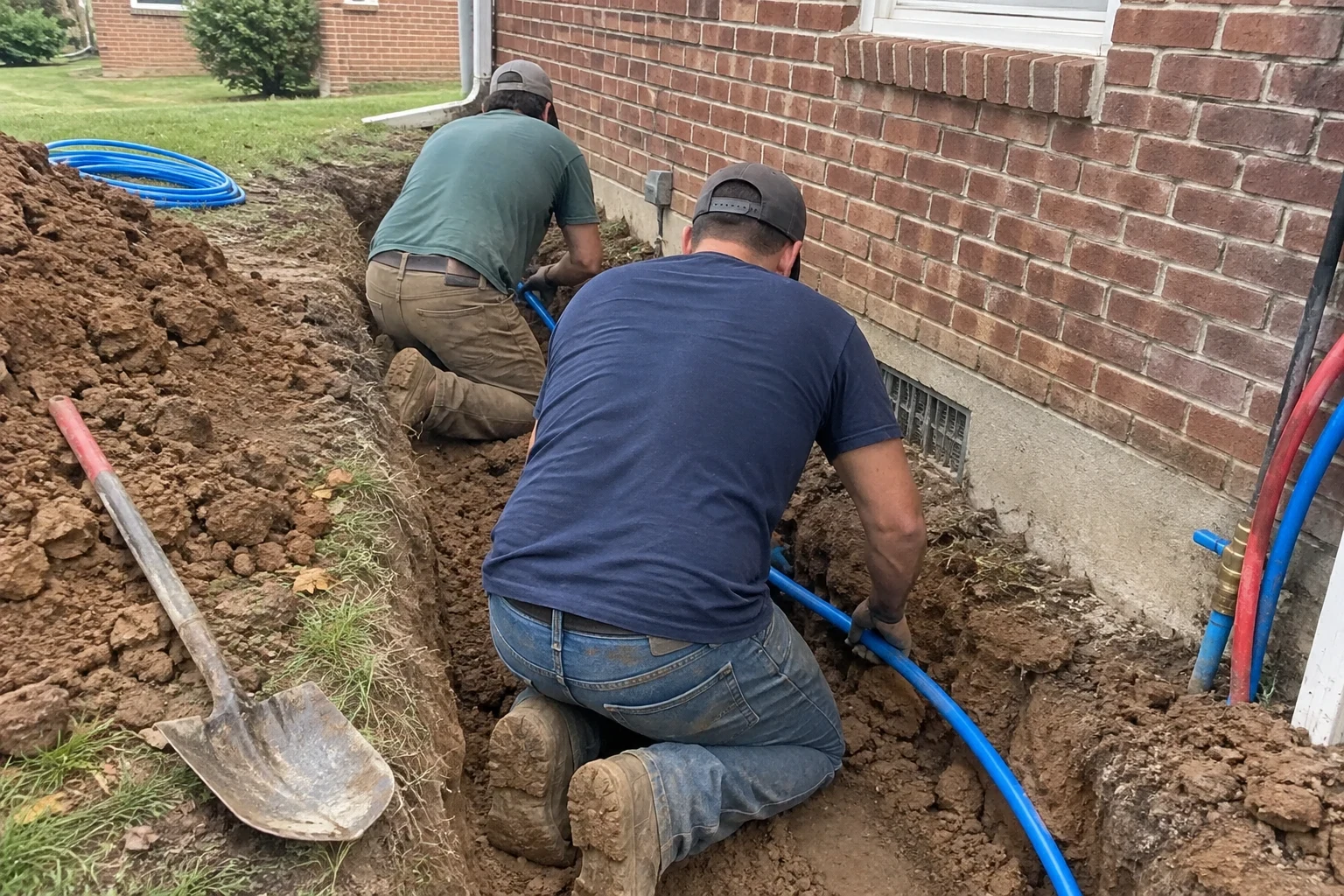
A new service line, from meter to house
Your main water line is the buried pipe that carries water from the city meter to the shutoff inside your home. Most of it sits out of sight for decades, so trouble shows up indirectly: a soft spot in the lawn, a water bill that creeps upward, or faucets that lose strength when two fixtures run at once.
Replacement makes sense when the old pipe is galvanized steel, polybutylene or thin copper that has already started to fail. A new line stops paying for water that never reaches a tap, and the right diameter gives your fixtures, appliances and any tankless water heater the steady flow they were designed for. That is where the comfort and the running costs both improve.
What the replacement includes
- Locates before any digging
- We have buried utilities marked through Tennessee 811 before work begins. Gas, power and cable lines are flagged so the trench avoids them.
- Pipe chosen for the soil
- We typically run PEX or HDPE rated for burial, or type K copper where it suits the site. Each handles ground movement and the freeze and thaw cycles of a Middle Tennessee winter well when it is bedded and buried at proper depth.
- Correct sizing
- Many older homes were fed by a line too small for today's fixtures. We size the new pipe to your fixture count so a shower and the dishwasher can run together without a pressure drop.
- New connections at both ends
- We tie into the meter side and install a fresh shutoff valve where the line enters your home. If pressure from the street runs high, we will talk with you about a pressure reducing valve.
- Permit, inspection and restoration
- We pull the permit and schedule the inspection. Afterward we backfill, compact the trench and leave the surface graded and clean.
Signs your main line is due
A water bill that keeps rising
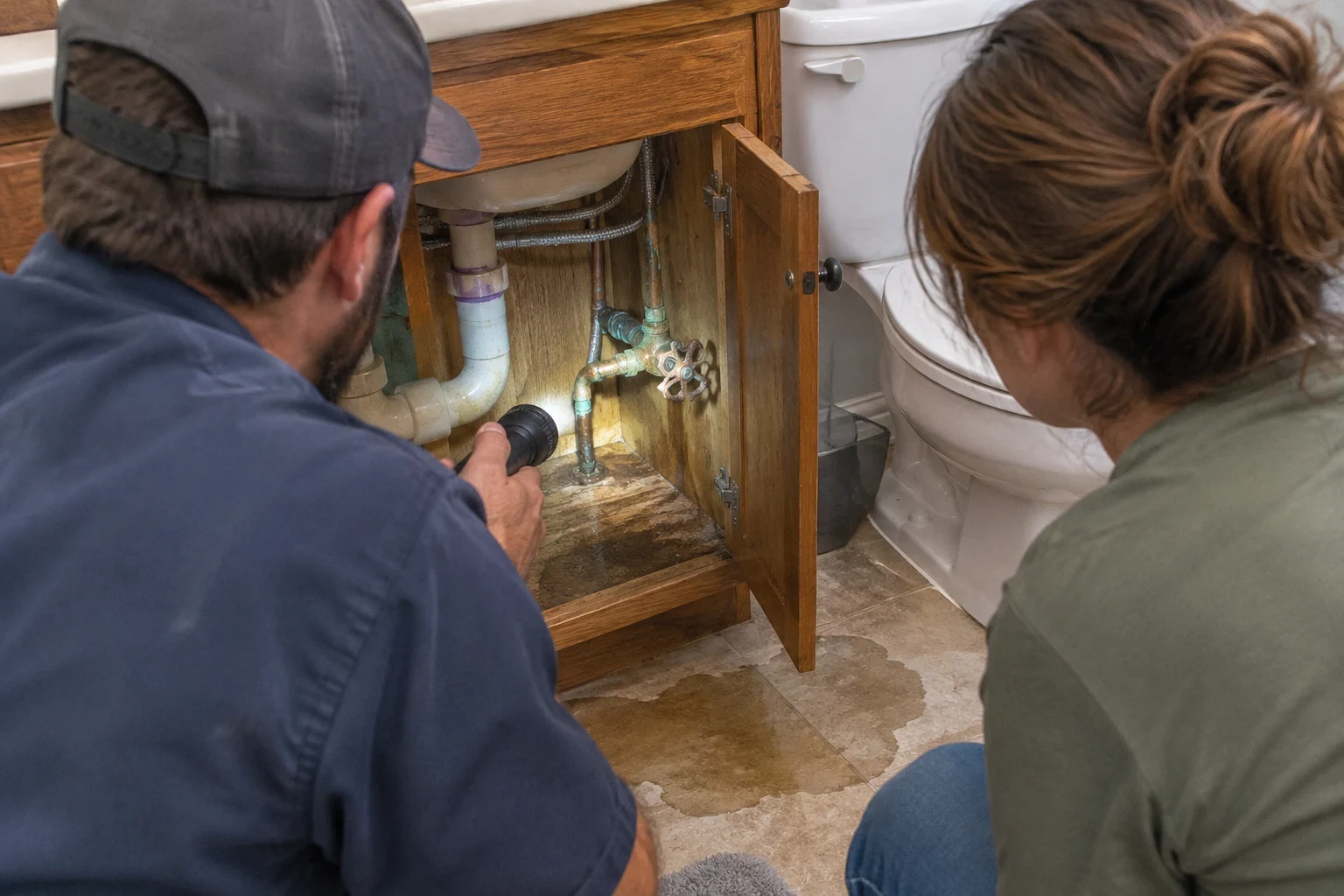
If your usage habits have not changed but the bill has, water may be escaping underground. Shut off every fixture and watch the meter; if the dial still moves, the line deserves a look.
Weak pressure throughout the house
Low pressure at one faucet is usually a fixture issue. Low pressure everywhere often points to a corroded or undersized main.
Wet ground with no rain
A green strip, soggy patch or small sinkhole between the street and the house is a common sign of a buried break.
Rusty or cloudy water
Brown water at first draw can mean galvanized pipe is rusting from the inside, which narrows the line year after year.
An older pipe material
Gray polybutylene or galvanized steel lines are past their expected life. Replacing on your own schedule is far calmer than replacing after a break.
How the job runs
- 1
Free estimate on site
We trace the route, check the pressure at a hose bib and look at the pipe where it enters your home. You get a written estimate that lists the pipe, the method and the restoration work.
- 2
Permit and locates
We file the permit and request utility marking. Once the ground is cleared, we set a work date that suits you.
- 3
Excavation and installation
We protect walkways and plantings, open the trench or boring path, and lay the new line on clean bedding. Most homes are without water for only part of one day while the connections are made.
- 4
Testing and inspection
We pressure test the new pipe before it is covered and have it inspected. Then we flush the line so your first glass of water runs clear.
- 5
Backfill and cleanup
The trench is filled in layers and compacted so it settles evenly. We haul away the old pipe and leave the work area swept and graded.
What shapes the price
Every main line is different, so we price after seeing your property rather than quoting a flat number over the phone. The estimate is free and itemized, and financing options are available if you would like to spread the cost.
- Length of the run
- The distance from the meter to your home sets how much pipe and digging the job needs. A home set far back from the street costs more than one close to it.
- Trench or trenchless
- Open trenching is straightforward on open lawn. Boring under a driveway, patio or mature tree adds equipment time but saves the surface above.
- Soil and rock
- Clay digs predictably, but buried limestone can slow excavation and may call for different tools.
- Pipe material and diameter
- Larger pipe and copper cost more than smaller PEX, though the right size often pays back in steady pressure and fewer problems.
- Surface restoration
- Replacing a cut section of concrete or landscaping beyond basic grading adds to the total. We spell this out in writing before work starts.
Common questions about replacing a main
Something not covered here? (931) 340-9631
Where does my share of the pipe begin?
Usually the water utility owns the meter and the pipe on the street side of it. The buried run from the meter up to your home belongs to you. During the estimate we check where that dividing point falls on your lot so there is no confusion later.
How long will the water be off?
Your existing line stays in service while we dig and lay most of the new pipe. The supply is only shut off while we tie in the new connections at the meter and at the house, which usually takes part of one day. We tell you the timing ahead of the work so you can plan bathing, laundry and dishes.
What happens to my lawn and walkways?
Expect either one trench or a few small access pits, depending on the method we agree on. We keep the opening as narrow as the work permits, set sod and topsoil to one side, and refill in compacted layers so the ground stays level instead of sinking months later.
Will a new main actually cut my water costs?
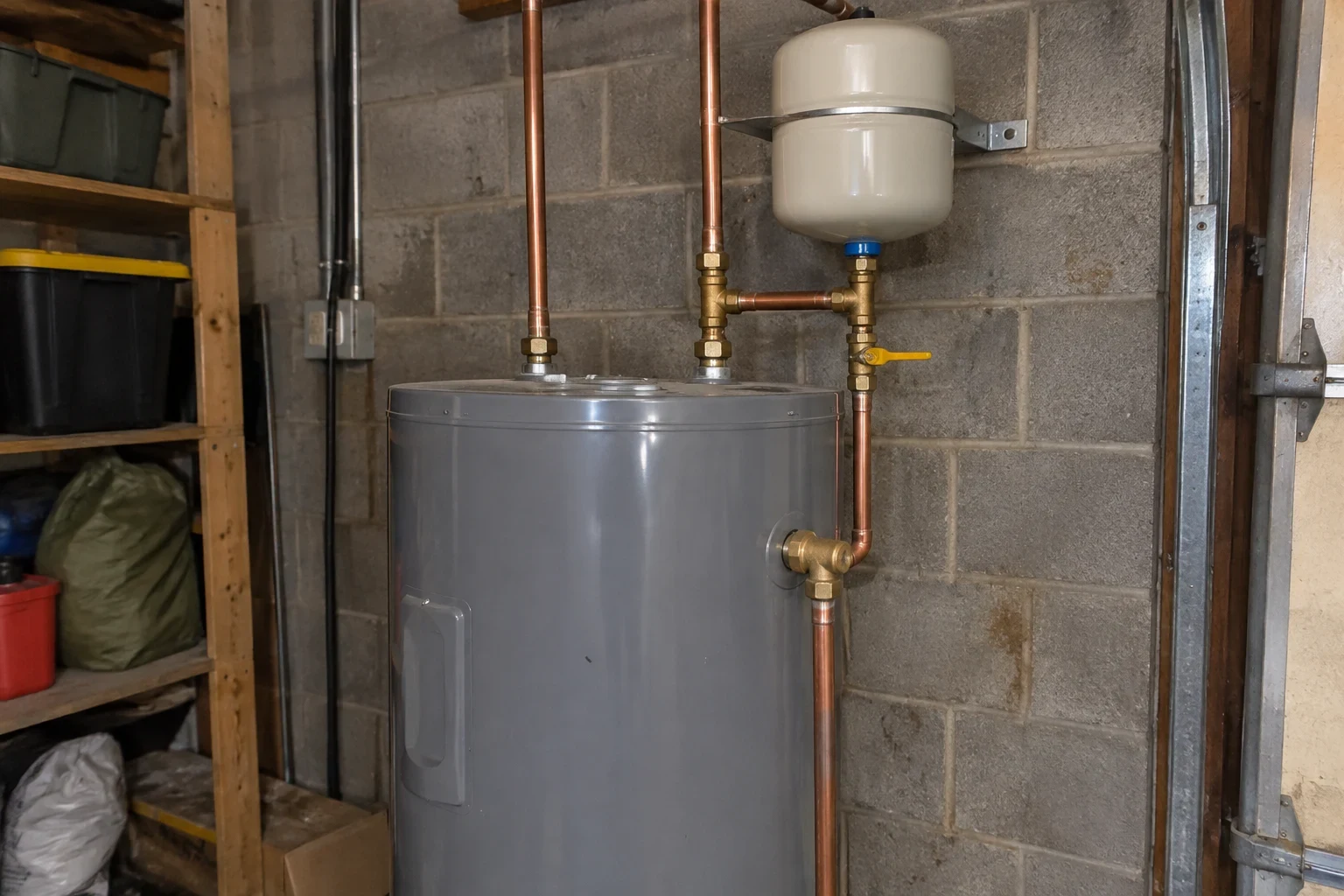
When the old pipe is losing water underground, it will, since you stop paying for water that soaks into the soil. A properly sized line also delivers the flow your water heater and appliances were designed for, which helps them run efficiently and keeps pressure steady at the tap.
What should I do if the line bursts without warning?
Call us, because we provide 24/7 emergency plumbing service. We shut off the supply and get the water under control first, then sit down with you to plan a proper replacement once the urgency has passed.
Which payment methods do you take?
We accept cash and all major credit cards. A main line is a bigger expense than most plumbing work, so we also offer financing options for homeowners who would rather pay over time. We are happy to walk through them during your free estimate.
Ready for a line you can stop worrying about
Tell us what you are seeing at the meter, in the yard or at the tap. We will come out, look at the whole run and give you a clear written plan.