ServicesWater Filtration
Whole Home Water Filtration in Shelbyville
We install filtration where the water line enters your home, so every faucet, shower and appliance draws from the same cleaner supply. Less chlorine taste, less sediment, and less scale building up inside the water heater that warms it.
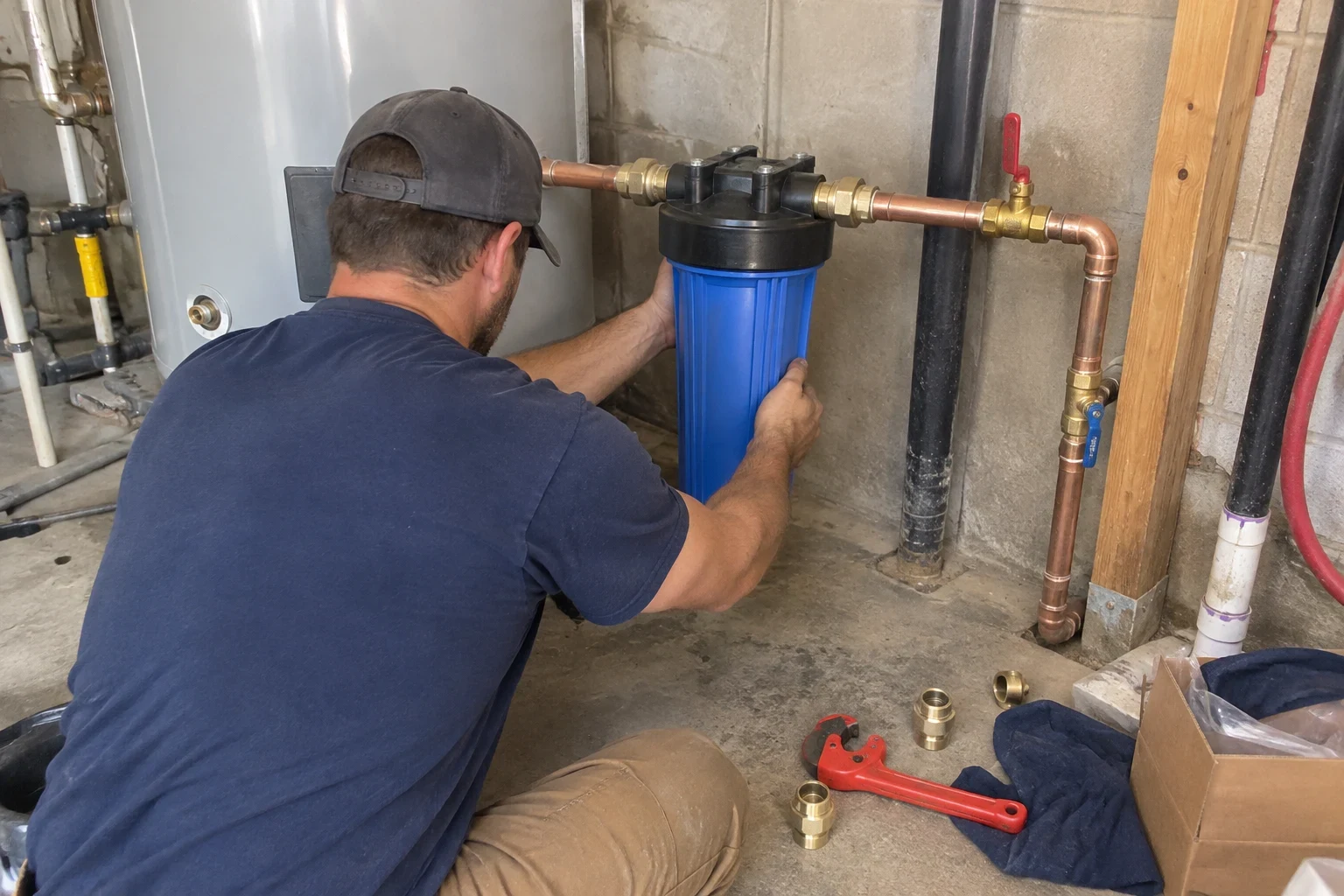
One system, every tap in your home
A pitcher or an under-sink filter cleans the water you drink. A whole home system cleans the water you bathe in, wash clothes in and heat. It sits on the main line before the water splits off to the rest of the house, usually in a garage, utility room or crawlspace.
Much of Middle Tennessee sits on limestone, and the minerals that come with it end up as crust on fixtures and as a layer of scale inside water heaters. Scale is an insulator. When it coats a heating element or the bottom of a tank, the heater runs longer to deliver the same hot water, and that shows up on the utility bill. Cleaner water at the entry point is one of the few plumbing upgrades that can help with comfort and running costs at the same time.
We fit the system to what is actually in your water and to how your household uses it, then install it with care for the pipes and the finish around it.
What the installation includes
- A look at your water first
- We check hardness and note what you are seeing at the taps, from cloudy water to chlorine smell. That tells us which stages make sense and which would be money spent on nothing.
- Sediment prefilter
- A first stage catches sand, rust flakes and grit before they reach finer media, faucet aerators or appliance valves.
- Carbon filtration
- Activated carbon reduces chlorine and chloramine taste and odor across the whole house, including the shower.
- Scale control where it fits
- For hard water we can add a scale-reduction stage that helps keep minerals from bonding to heating surfaces. This is often the stage that matters most for water heater efficiency.
- Bypass valves and shutoffs
- We plumb in a bypass so you keep running water during filter changes or service. Clean, accessible shutoffs make future maintenance a five-minute job instead of a project.
- Tidy, supported pipework
- Lines are run square, strapped properly and labeled, with the area cleaned up when we leave.
When filtering the whole house makes sense
Chalky rings and spots
A pale, crusty film on showerheads, faucet spouts and shower glass is mineral scale. If it builds up where you can see it, it is also building up inside pipes and appliances.
A noisier, slower water heater
Rumbling or popping from the tank, or hot water that gives out earlier than it once did, often means scale and sediment have settled at the bottom of the heater.
A pool smell in the shower
Water that smells or tastes strongly of chlorine is a good candidate for carbon filtration, which treats every tap at once.
Residue on skin and clothes
Hard water leaves a film on hair, skin and fabric, and soap struggles to lather.
Grit in faucet screens
Sand or rust specks caught in aerators show that sediment is traveling through your plumbing and reaching fixtures and appliance valves.
How a filtration job runs
- 1
Your call and a free estimate
Tell us what you are noticing with your water. We set a time to visit, check the water and see where the main line comes in, then give you a written estimate with each part listed.
- 2
Choosing the system
We explain the options in plain terms, including filter costs over time, so you are not buying more stages than your water needs.
- 3
Installation day
We protect the floor around the work area, shut off the main, cut in the filter housings and bypass, and connect everything with fittings suited to your existing pipe. Water is usually off for only part of the visit.
- 4
Flush, check and walk-through
We flush the new media, check every joint under pressure and show you how the bypass and filter changes work before we clean up and go.
What goes into the cost of a filtration system
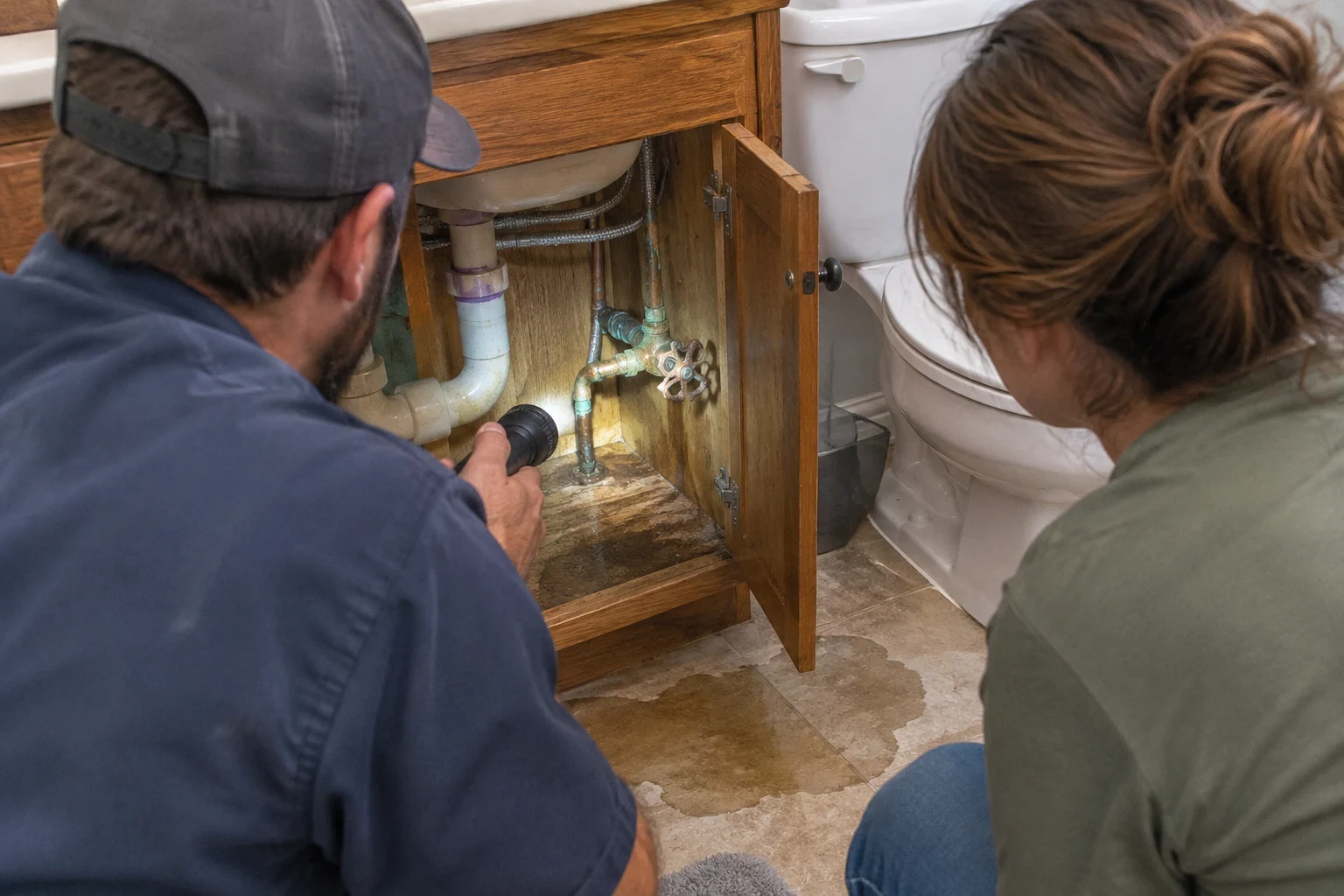
We price each system in writing once we have tested the water and seen where the main line comes in. Two things drive most of the total: what your water actually needs and how much work it takes to reach the line. You can pay with cash or any major credit card, and we offer financing options if spreading the cost suits you better.
- How many stages you need
- A two-stage sediment and carbon system is the simpler, lower-cost setup. Adding hard water treatment raises the price, so we only suggest it when your test results support it.
- Sizing for your household
- More bathrooms means larger housings. That extra capacity keeps pressure steady when a shower, a dishwasher and the washing machine all draw at once.
- Where the main line sits
- A supply line coming through an open garage wall is quick to reach. A line in a low crawlspace or below a slab takes more labor and more pipe to bring to a serviceable spot.
- The pipe you already have
- Copper, PEX and older galvanized steel each need their own fittings and transitions where the filter ties in.
- Replacement media over time
- Cartridges and media wear out on a schedule. We list those running costs on the estimate so you know what a typical year looks like before you commit.
Filtration questions we hear often
Something not covered here? (931) 340-9631
Will filtering the whole house cut my water pressure?
Not in a way you will notice, as long as the system is sized properly. A real drop usually comes from housings that are too small or cartridges left in too long. We match the system to the number of fixtures in your home and show you how to tell when a filter is due.
Is a filtration system the same thing as a water softener?
They do different jobs. Filtration takes out sediment and reduces chlorine, taste and odor, while a softener targets the hardness minerals. We can add a scale-control stage for hard water, and we will give you a straight answer about whether your home benefits from it.
Can cleaner water make my water heater more efficient?
It can. With less sediment and scale coating the heating surfaces, the heater spends less time and energy bringing the same water up to temperature. That matters even more with a tankless unit, which we cover under Tankless Water Heater Installation.
How often will I need to swap filters?
That depends on your water quality and how much your household uses. Most sediment and carbon cartridges last somewhere between a few months and a year. The bypass valve we fit lets you change them while the rest of the house keeps running water.
Do you install these systems outside Shelbyville?
We do. We also serve Tullahoma, Lewisburg, Manchester and the area around them. The visit, the water check and the free estimate work the same way wherever you live.
Find out what your water needs
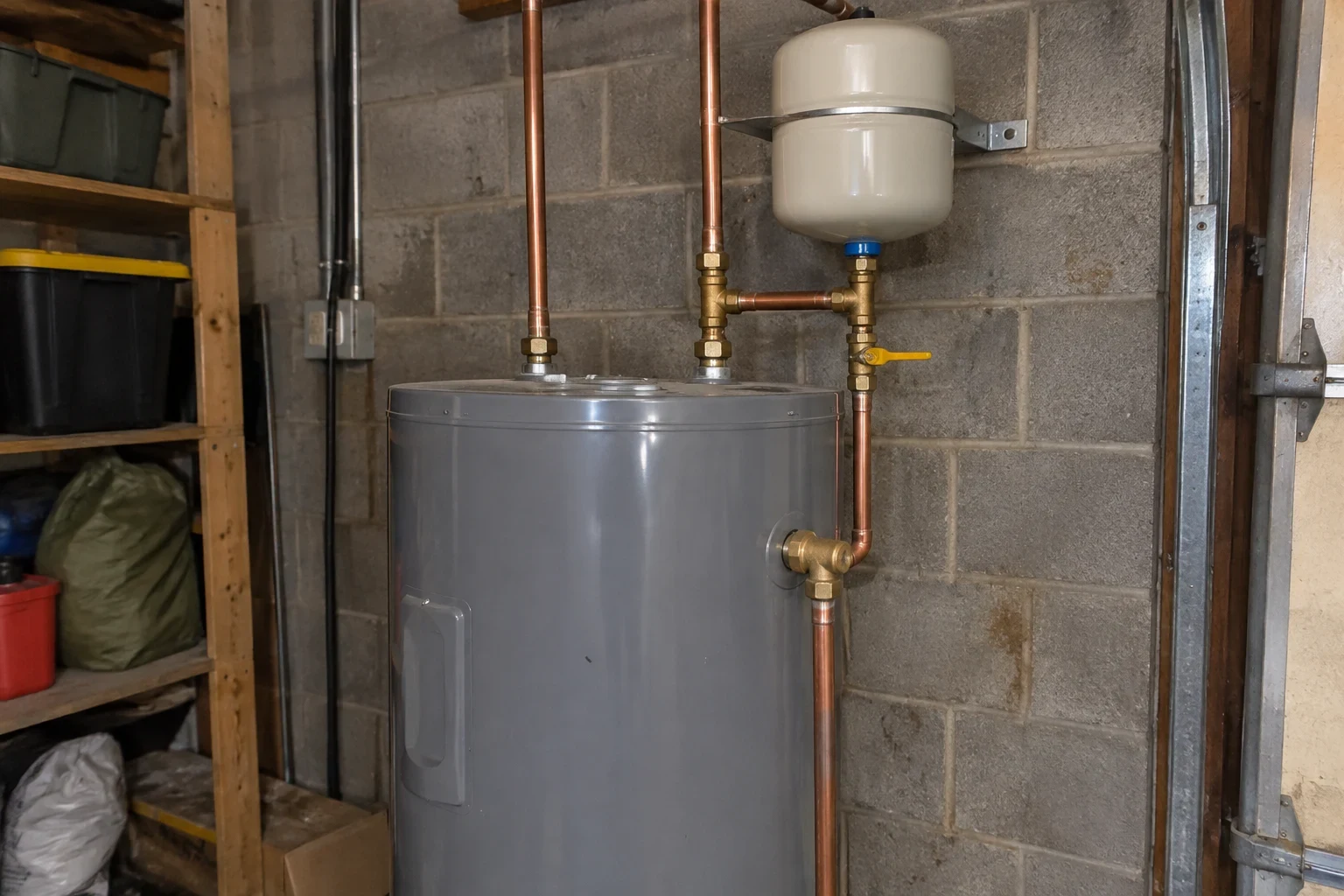
We will test your water, look at where the supply line enters and put a written, itemized estimate in your hands, with no pressure to go ahead. For a burst pipe or anything else that cannot wait, our 24/7 emergency plumbing service is on the same line.